
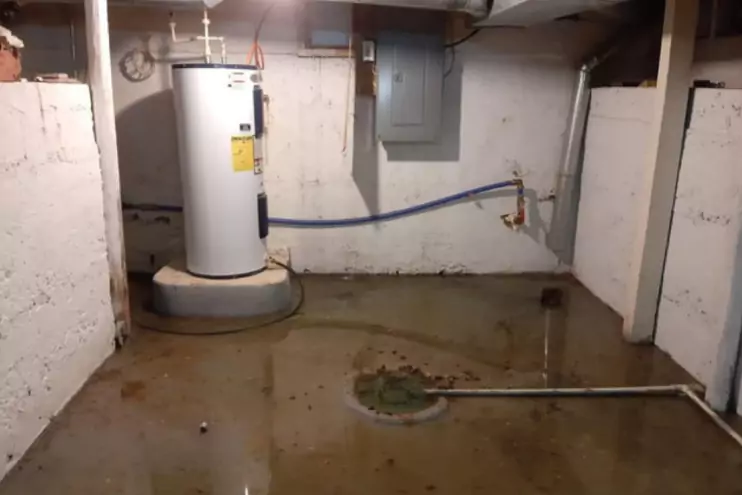
Why Interior Drainage Systems Are the Preferred Choice for Seattle Area Basements
Key Takeaways
- Interior drainage systems cost significantly less than exterior excavation, typically half the price while delivering equal or superior results
- Installation takes 1 to 2 days with minimal disruption, allowing homeowners to continue normal activities during the process
- Seattle’s wet climate makes year-round installation possible for interior systems, while exterior work often requires waiting for dry weather
- Interior drainage effectively manages hydrostatic pressure without disturbing landscaping, driveways, or established hardscaping
- The approach works particularly well for finished basements where protecting living spaces is critical
- Modern interior drainage technology has proven more reliable and easier to maintain than aging exterior systems that often clog or fail
When Seattle homeowners face basement water problems, they encounter a critical decision: interior or exterior waterproofing. While both approaches have their place, interior drainage systems have become the overwhelming favorite throughout the Puget Sound region. The reasons go far beyond simple preference. They’re rooted in practical realities about Seattle’s climate, the local housing stock, and what actually works long-term in Pacific Northwest conditions.
At Wet Basement Services, we’ve installed interior drainage systems in thousands of Seattle-area homes. Every day, we see why this solution has earned its reputation as the smart choice for homeowners in Bellevue, Redmond, Kirkland, Bothell, and surrounding communities.
The Cost Reality That Seattle Homeowners Appreciate
Money matters. Interior drainage systems typically cost about half what exterior excavation runs, delivering the same level of protection at a fraction of the price. This isn’t about cutting corners or accepting inferior results. It’s about efficiency and engineering reality.
Exterior waterproofing requires excavating around your entire foundation perimeter with heavy machinery. Contractors must remove landscaping, potentially tear up portions of driveways or sidewalks, and handle tons of soil. The labor hours stack up quickly. Material costs multiply when you’re working around the entire exterior footprint of your home.
Interior waterproofing in Seattle achieves the same goal without the excavation expense. We work inside your basement, installing drainage channels along the foundation perimeter. The system intercepts water at the point where it enters, directing it to a sump pump that removes it from your home. The result? Your basement stays dry, your landscaping stays intact, and your wallet stays fuller.
For Seattle families already dealing with the stress of water damage, this cost difference matters enormously. It means addressing the problem now rather than putting it off while saving for a more expensive solution. Quick action prevents the secondary damage that makes water intrusion such a serious threat.
Installation Speed Makes a Difference
Exterior waterproofing projects can stretch across weeks. Contractors need favorable weather for excavation. They must coordinate with utilities to avoid damaging buried lines. They pile excavated soil around your property. The process disrupts your daily life substantially.
Interior drainage installation typically completes in one to two days. Our crews arrive, perform the necessary concrete cutting and trenching inside your basement, install the drainage system and sump pump, restore the concrete floor, and finish. You experience minimal disruption. In many cases, you can continue using most of your basement during installation.
This speed advantage matters particularly in Seattle, where water problems don’t wait for convenient timing. When you discover wet walls or basement flooding during our rainy season, you need a solution immediately. Interior drainage systems can be installed and operational within days of your first call, protecting your home before the next storm hits.
Seattle’s Weather Works in Interior Drainage’s Favor
The Pacific Northwest climate that creates basement water problems also makes interior drainage the practical choice for addressing them. Seattle receives rain throughout much of the year. Exterior excavation projects require extended periods of dry weather. Wet soil complicates trenching. Rain delays backfilling. Muddy conditions slow every phase of the work.
Interior drainage installation happens regardless of weather conditions. Rain, snow, or shine, we can complete your system on schedule. This year-round availability means you don’t need to time your waterproofing project around Seattle’s brief dry season, when contractors are booked solid and weather windows close unexpectedly.
Protecting What You’ve Already Built
Many Seattle homes feature finished basements. These valuable living spaces represent significant investments in materials, labor, and design. When water problems emerge in a finished basement, exterior excavation offers zero advantage over interior solutions for the finished space itself.
Interior drainage systems protect finished basements without requiring you to demolish improvements. We install the perimeter drainage system behind your walls, integrating it with your existing space rather than forcing you to start over. For homeowners who’ve invested in basement renovations, this preservation of value makes interior drainage the obvious choice.
The system also handles mold growth concerns that frequently accompany water problems in finished spaces. By eliminating the moisture source and maintaining consistent dryness, interior drainage prevents the conditions that allow mold to colonize building materials and compromise air quality.
The Technical Advantages That Matter Most
Beyond the practical benefits, interior drainage systems offer engineering advantages specific to Seattle’s geological and hydrological conditions. Hydrostatic pressure, the force of groundwater pushing against foundation walls and basement floors, represents one of the most significant water intrusion challenges in our region.
Interior drainage systems address hydrostatic pressure directly. By relieving pressure at the footing level, these systems prevent water from building up beneath your basement floor slab. The drainage channels intercept water at multiple entry points: through wall cracks, at the cold joint where walls meet floors, and via capillary action through porous concrete.
According to resources from the Environmental Protection Agency, proper drainage systems must manage water efficiently to prevent structural damage and moisture-related problems. Our interior systems meet these standards while adapting to Pacific Northwest conditions where water tables fluctuate seasonally and soil saturation varies throughout the year.
Why Exterior Systems Fail in Seattle Soil
Seattle’s characteristic clay soils present unique challenges for exterior drainage systems. Clay holds water, swells when wet, and creates hydrostatic pressure that traditional exterior drains struggle to manage. Many older Seattle homes have failed exterior drainage systems that were installed decades ago but have since clogged with silt or been damaged by soil pressure.
Root infiltration compounds the problem. Seattle’s abundant vegetation sends roots searching for water sources. Exterior drain tiles become natural targets. Over time, roots penetrate and block drainage pipes. By the time homeowners recognize the problem through basement leaking, the exterior system requires complete replacement, which means expensive excavation all over again.
Interior drainage systems avoid these failure modes entirely. Installed inside the foundation envelope, they’re protected from root infiltration, soil pressure, and the clogging issues that plague exterior installations. Maintenance remains straightforward because everything stays accessible from inside your basement.
The Wet Basement Services Approach
Our basement waterproofing solutions in Seattle center on the Extreme Water Abandonment (EWA) System, an interior drainage approach engineered specifically for Pacific Northwest conditions. This proprietary system integrates deep soil desaturation with strategic drainage placement and comprehensive moisture control.
The EWA System works by:
Managing Groundwater at the Source
Rather than simply collecting water after it enters your basement, our system desaturates the soil beneath your foundation. This relieves hydrostatic pressure that drives water infiltration, addressing the root cause rather than just managing symptoms.
Using Building-Code Compliant Materials
We install 4-inch PVC drainage pipes, not the undersized alternatives many competitors use. Proper sizing ensures adequate flow capacity during Seattle’s heaviest rainfall events. Combined with vertical wall drainage and strategic membrane placement, the system handles water efficiently regardless of volume.
Integrating Vapor Barriers
Water enters basements through multiple pathways. Beyond liquid water seeping through cracks, water vapor migrates through porous concrete. Our interior systems incorporate vapor barrier technology that addresses both liquid intrusion and moisture migration, keeping basements comprehensively dry.
Providing Permanent Protection
The EWA System comes with our lifetime transferable warranty. We stand behind the solution because we’ve proven its effectiveness in thousands of Seattle-area installations. Unlike temporary fixes or patch jobs, this represents a permanent resolution to your water problems.
Real-World Performance in Seattle Conditions
Theory matters less than results. Interior drainage systems have demonstrated their effectiveness throughout the Seattle metropolitan area across every type of foundation and soil condition we encounter. Homes in Sammamish dealing with seasonal water table fluctuations. Properties in Kent facing persistent groundwater pressure. Older homes in Shoreline with aging foundations. Modern constructions in Issaquah with finished basement living spaces.
The common thread across all these scenarios? Interior drainage works. It manages water effectively, protects property value, prevents structural damage, and delivers the dry basement environment Seattle homeowners need.
We’ve seen interior systems perform flawlessly through record-breaking rainfall events that overwhelmed municipal storm systems. We’ve watched them protect basements in homes where exterior systems had failed repeatedly. The reliability comes from sound engineering principles applied to our specific regional conditions.
Maintenance Accessibility Makes Ongoing Protection Simple
Every waterproofing system requires periodic maintenance to ensure continued effectiveness. Interior drainage systems make this maintenance straightforward because all components remain accessible from inside your basement.
Sump pump systems need occasional inspection. Drainage channels benefit from periodic flushing. Check valves require testing. Battery backup systems need replacement batteries. With interior drainage, you or your service technician can access everything without excavating or disrupting your property.
Compare this to exterior systems where maintenance means digging up your yard to access buried components. If a problem develops with an exterior drain tile, you won’t know until water starts appearing in your basement. At that point, diagnosis requires excavation just to see what’s wrong, followed by more excavation to fix it.
Interior systems provide early warning when components need attention. The sump pump inspection port lets you verify operation at a glance. Clean-outs in the drainage system allow preventive maintenance that keeps water flowing freely. This accessibility translates to lower lifetime costs and more reliable protection.
The Finished Basement Advantage
Seattle’s housing market increasingly values basement living space. Finished basements add square footage, provide home office space, create rental opportunities, and enhance property value. When these valuable spaces develop water problems, protecting the investment becomes paramount.
Interior drainage systems preserve finished basements better than any alternative. We can install the system behind existing walls, minimizing demolition. The finished result often requires only minor drywall repair, repainting, and trim work. Compare this to exterior excavation that provides no benefit for the finished space itself while potentially causing settling or cracking of interior walls due to soil disturbance.
For homeowners with recently completed basement renovations facing unexpected water intrusion, interior drainage offers the only practical solution. You protect your investment without undoing the improvements you just paid to install.
Why Seattle Contractors Recommend Interior Solutions
Talk to experienced waterproofing professionals throughout the Puget Sound region, and you’ll hear consistent recommendations for interior drainage systems. This consensus reflects decades of field experience addressing basement water problems in Pacific Northwest conditions.
Local contractors understand Seattle’s clay soils, seasonal water table variations, and the reality of our built environment where homes sit close together on developed lots. We’ve seen what works long-term and what creates recurring problems. Interior drainage has proven itself the reliable solution that delivers results homeowners can count on.
At Wet Basement Services, we don’t push interior drainage because it’s easier to install or more profitable. We recommend it because it works. Our four decades serving Seattle-area families have taught us what provides lasting protection. The EWA System represents the culmination of that experience, engineering a solution specifically for our regional challenges.
Making the Right Choice for Your Home
Not every basement water problem requires the same solution. Severe foundation issues may benefit from exterior work. New construction provides opportunities for comprehensive exterior waterproofing before landscaping. But for the vast majority of Seattle homeowners dealing with water intrusion, interior drainage systems provide the most effective, economical, and practical solution available.
The popularity of interior drainage in our region reflects these practical realities. Homeowners recognize the value proposition: comprehensive protection at a reasonable cost, installed quickly without disrupting their property, backed by proven performance in Pacific Northwest conditions.
If you’re experiencing water problems in your Seattle-area basement, you owe it to yourself to understand how modern interior drainage systems can solve the problem permanently. We provide free inspections that assess your specific situation and explain exactly how the EWA System would protect your home.
Don’t let water damage continue destroying your property value and creating health hazards for your family. Contact Wet Basement Services today to schedule your comprehensive basement inspection. We’ll show you why interior drainage has become the preferred choice for homeowners throughout Seattle, Bellevue, Redmond, Kirkland, and all the communities we serve across the greater Puget Sound region.
Interior drainage works. Four decades of proven results in Pacific Northwest homes demonstrate that conclusively. When you’re ready to protect your basement the way thousands of Seattle-area homeowners already have, we’re ready to show you exactly how the right interior drainage system delivers permanent peace of mind.