
The Serious Health Risks of Ignoring Basement Moisture in Seattle Area Homes
Key Takeaways
- Basement moisture creates conditions for mold growth that can trigger respiratory symptoms, asthma attacks, and chronic health problems
- Children, elderly individuals, and people with existing respiratory conditions face heightened health risks from damp basement environments
- The CDC links exposure to damp indoor spaces with upper and lower respiratory symptoms, respiratory infections, and asthma development
- Seattle’s climate produces year-round basement moisture conditions that allow health threats to persist even during drier months
- Addressing moisture problems quickly prevents the progression from minor irritation to serious respiratory disease
- Professional waterproofing eliminates the moisture source that enables mold and bacteria to compromise indoor air quality
When most Seattle homeowners think about basement water problems, they focus on the visible damage: ruined belongings, damaged walls, or cracked foundations. What many don’t realize is that the health consequences of ignoring basement moisture can be far more serious than any structural issue. The damp conditions in your basement don’t stay confined to that space. They affect the air your family breathes throughout your entire home.
At Wet Basement Services, we’ve seen firsthand how basement moisture issues progress from minor nuisances to major health threats. After four decades serving Seattle-area families, we understand that protecting your family’s health is far more important than protecting your property value. Both matter, but nothing compares to the wellbeing of the people you love.
How Basement Moisture Threatens Your Respiratory Health
The connection between basement moisture and health problems is well-documented in medical research. According to the Centers for Disease Control and Prevention, exposure to damp and moldy environments may cause stuffy nose, sore throat, coughing or wheezing, burning eyes, and skin rash. For people with asthma or who are allergic to mold, these reactions can be severe.
What makes basement moisture particularly dangerous is that it creates sustained conditions for biological growth. Mold spores exist everywhere in the environment, but they only colonize and multiply when they land on damp surfaces. Your basement, with its combination of organic building materials, darkness, and persistent moisture, provides the perfect environment for these organisms to thrive.
The health impacts don’t require visible mold growth. Even elevated humidity levels and damp surfaces release volatile organic compounds and create conditions that support bacteria growth. You and your family inhale these contaminants with every breath, accumulating exposure over weeks, months, and years.
The Specific Health Problems Linked to Damp Basements
Research has identified numerous health conditions associated with living in homes with damp basements. The National Institute for Occupational Safety and Health documents that exposures to building dampness and mold have been associated with respiratory symptoms, asthma, hypersensitivity pneumonitis, rhinosinusitis, bronchitis, and respiratory infections.
Asthma Development and Exacerbation
Perhaps the most concerning health risk involves asthma. Multiple studies have shown that children living in damp environments face increased risk of developing asthma. For those who already have asthma, basement moisture can trigger attacks and worsen symptoms significantly.
Seattle’s damp climate already challenges people with respiratory conditions. When you add basement moisture problems to the equation, you create indoor air quality issues that compound the effects of our outdoor environment. Many families don’t connect their worsening asthma symptoms with their home’s basement condensation or that persistent musty smell they’ve learned to ignore.
Upper Respiratory Symptoms
Even people without asthma experience health effects from basement moisture. Common complaints include persistent colds, sore throats, and sinus problems that never quite resolve. You might attribute these symptoms to Seattle’s weather or seasonal allergies, not realizing your own home is making you sick.
Research shows people living in moisture-damaged buildings report significantly higher rates of respiratory infections. The damp environment weakens your respiratory system’s natural defenses while simultaneously exposing you to higher concentrations of mold spores, bacteria, and other biological contaminants.
Allergic Reactions and Sensitivities
Mold exposure commonly triggers allergic responses even in people without previous allergies. Symptoms can include watery eyes, runny nose, sneezing, itching, and skin rashes. Over time, repeated exposure may increase your sensitivity, causing more severe reactions with each encounter.
What starts as mild irritation when you go into your basement can progress to reactions triggered by trace amounts of mold throughout your home. The spores travel on air currents, spreading from your damp basement to living spaces upstairs where your family spends most of their time.
Serious Respiratory Diseases
In some cases, basement moisture leads to more severe conditions. Hypersensitivity pneumonitis, an inflammatory disease of the lungs, can develop from repeated exposure to mold and bacteria in damp environments. People with compromised immune systems face particular risk of developing fungal infections in their lungs from inhaling mold spores.
These serious conditions don’t appear overnight. They develop after sustained exposure to the biological contaminants that thrive in your damp basement. By the time symptoms become severe enough to seek medical attention, significant damage may have already occurred.
Who Faces the Greatest Risk?
While anyone can experience health problems from basement moisture, certain groups face heightened vulnerability. Understanding whether your family includes high-risk individuals makes addressing moisture problems even more urgent.
Children
Young children, especially infants and toddlers, are particularly susceptible to the health effects of basement moisture. Their developing respiratory systems and immune systems provide less protection against mold exposure. They also breathe faster than adults, taking in more contaminated air relative to their body weight.
Studies have documented clear associations between living in damp homes during early childhood and increased respiratory problems throughout life. The foundation you provide for your child’s health includes maintaining a dry, healthy home environment.
Elderly Family Members
Aging adults often have weakened immune systems and may already manage chronic respiratory conditions. Basement moisture exposure compounds these existing vulnerabilities, potentially triggering respiratory infections or exacerbating conditions like chronic obstructive pulmonary disease.
Many Seattle families include elderly parents or grandparents in their homes. Protecting these vulnerable household members from basement moisture hazards becomes a priority that extends beyond simple home maintenance.
People with Existing Respiratory Conditions
Anyone already managing asthma, allergies, or other respiratory conditions faces increased risk from basement moisture. Exposure to mold and elevated humidity can trigger symptom flares, increase medication needs, and potentially cause permanent worsening of their underlying condition.
We’ve worked with families throughout Bellevue, Redmond, Kirkland, and surrounding communities who didn’t realize their basement water problems were sabotaging their respiratory health management. Once we eliminated the moisture source through proper basement waterproofing, they experienced dramatic improvements in symptom control.
Immunocompromised Individuals
People with weakened immune systems from cancer treatment, organ transplants, HIV, or other conditions face serious risk from mold exposure. What might cause minor irritation in healthy individuals can lead to life-threatening infections in immunocompromised people.
If anyone in your household has a compromised immune system, basement moisture isn’t just an inconvenience or property value concern. It’s a genuine health hazard that requires immediate professional attention.
Why Seattle’s Climate Intensifies These Risks
Living in the Pacific Northwest means dealing with moisture challenges year-round. Seattle receives significant rainfall, maintains high humidity levels, and experiences limited sunlight during extended periods. These conditions affect basements throughout the region, creating persistent moisture problems that other climates might only experience seasonally.
The problem compounds because Seattle homeowners often become accustomed to damp conditions. A slightly musty basement seems normal. Mild respiratory irritation gets blamed on seasonal allergies or the region’s pollen counts. Many families have lived with basement moisture so long they don’t recognize the health impacts until they become severe.
Homes across Seattle, Sammamish, Bothell, and the entire Eastside face similar challenges. The combination of clay soils that hold water, high water tables, and frequent precipitation means basement moisture threatens health in neighborhoods throughout our service area. Whether your home sits in Kent, Auburn, Renton, or any surrounding community, the health risks remain consistent.
The Progression from Minor Irritation to Serious Disease
Basement moisture health problems typically develop gradually. You might not connect your worsening symptoms with your home environment because the changes happen slowly over months or years.
Initial exposure often produces mild symptoms that seem unrelated to your basement: occasional sneezing, slight throat irritation, or temporary breathing difficulty when you enter the basement. You adapt, avoiding the space or simply accepting the discomfort.
Over time, symptoms intensify. That occasional sneezing becomes chronic. The throat irritation persists. You find yourself reaching for your inhaler more frequently. Sleep quality suffers. Energy levels drop. You attribute these changes to aging, stress, or Seattle’s weather rather than recognizing your home is making you sick.
Without intervention, the conditions can progress to serious respiratory disease. Chronic bronchitis develops. Asthma control deteriorates despite increased medication. Some people develop hypersensitivity reactions that make them react to trace amounts of mold anywhere, not just in their home.
This progression isn’t inevitable. Addressing basement moisture early prevents the escalation from minor irritation to serious disease. The sooner you eliminate the moisture source, the sooner your family’s respiratory health can begin recovering.
How Basement Air Affects Your Entire Home
Many homeowners assume that basement air quality doesn’t affect upper floors. Unfortunately, that’s not how homes work. Air movement patterns mean contaminated air from your basement circulates throughout your entire living space.
The stack effect, where warm air rises and creates negative pressure in lower levels, continuously pulls air from your basement into main living areas. Every time your furnace runs, it may draw air from the basement for circulation. Opening doors, using bathroom fans, or simply moving through your home creates pressure differences that transport basement air upward.
This means the biological contaminants growing in your wet basement don’t stay confined there. Your family breathes these contaminants in bedrooms, living rooms, and throughout your home. Children sleeping in upstairs bedrooms inhale mold spores that originated in your damp basement.
Professional waterproofing doesn’t just protect your basement. It protects the air quality throughout your entire home, safeguarding every family member regardless of which floor they spend their time on.
The Solution: Eliminating Moisture at Its Source
Improving air quality through filtration or dehumidification provides temporary relief, but these approaches don’t address the fundamental problem. As long as moisture persists in your basement, biological contaminants will continue growing and releasing spores into your home’s air.
The only permanent solution involves eliminating the moisture source itself. This means properly waterproofing your basement to prevent water intrusion, managing hydrostatic pressure that drives moisture through foundation walls, and creating conditions where mold and bacteria cannot establish colonies.
At Wet Basement Services, our approach centers on comprehensive moisture control. The Extreme Water Abandonment (EWA) System addresses water problems at their source, desaturating soil beneath your foundation and intercepting water before it enters your living space. By preventing moisture accumulation, we eliminate the conditions that allow health-threatening biological growth.
Our interior waterproofing solutions work particularly well for Seattle-area homes because they manage the specific moisture challenges our climate creates. Rather than simply redirecting some water or treating symptoms, we provide permanent resolution that protects both your property and your family’s health.
Taking Action to Protect Your Family
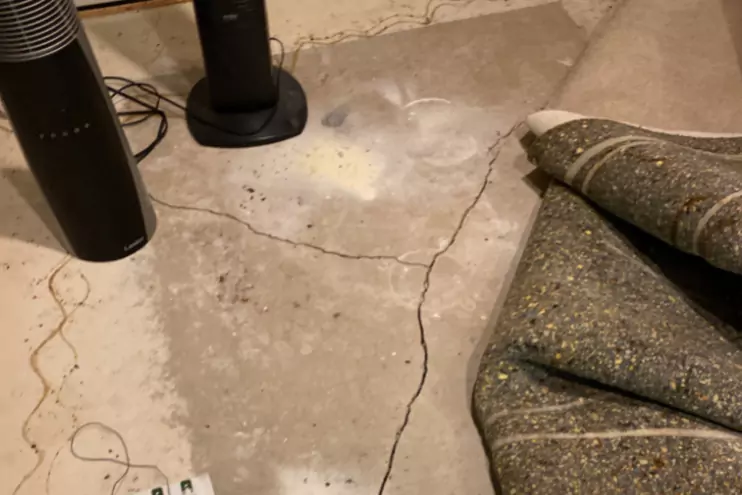
If you’re experiencing unexplained respiratory symptoms, worsening asthma control, or persistent allergy-like reactions, consider whether basement moisture might be contributing. Look for warning signs: visible water intrusion, damp spots on walls or floors, condensation, efflorescence on concrete, or that telltale musty odor.
Don’t wait for health problems to become severe before addressing moisture issues. The longer biological contaminants grow in your basement, the more extensive your family’s exposure becomes. Early intervention prevents minor problems from escalating to serious respiratory disease.
We provide free comprehensive inspections that identify all moisture sources affecting your Seattle-area home. Our team examines your specific situation, explains how water is entering your basement, and outlines the solutions that will provide permanent protection. More importantly, we help you understand how eliminating basement moisture will improve your family’s health and quality of life.
Your family’s respiratory health shouldn’t be compromised by preventable moisture problems. Seattle’s climate creates enough respiratory challenges without adding basement moisture issues to the equation. Professional waterproofing provides protection that extends far beyond property value, delivering health benefits that matter every day.
Contact Wet Basement Services today to schedule your free moisture inspection. We serve families throughout Seattle, Bellevue, Redmond, Kirkland, Bothell, Sammamish, and all surrounding communities. Let us show you how eliminating basement moisture can protect your family’s health while preserving your home’s value and structural integrity.
The health risks of basement moisture are real, well-documented, and completely preventable. You don’t have to accept respiratory symptoms, worsening asthma, or chronic health problems as inevitable consequences of living in the Pacific Northwest. With proper waterproofing, your basement can be dry, healthy, and safe for your entire family.