
How Mold and Water Intrusion Work Together in Seattle Area Basements
Key Takeaways
- Mold begins growing within 24 to 48 hours after water exposure, making rapid response critical for Seattle homeowners
- Water intrusion creates the moisture conditions that allow mold spores to colonize basement surfaces and building materials
- Seattle’s climate, with frequent rainfall and high humidity levels, produces year-round mold risk even when water problems seem seasonal
- Washington landlords must address underlying moisture sources like water leaks and poor ventilation to prevent mold growth
- Permanent mold control requires eliminating water intrusion at its source, not just treating surface symptoms
Mold and water intrusion don’t just happen to coexist in Seattle basements. They work together in a destructive partnership that can compromise your home’s structure and your family’s health. Understanding how these two problems feed off each other is the first step toward protecting your property.
Seattle’s Climate Creates Perfect Conditions for Mold Growth
The Pacific Northwest is known for its rain, but what many homeowners don’t realize is that Seattle’s climate creates ideal conditions for both water intrusion and mold proliferation. With humidity levels typically between 70 and 80 percent and approximately 37 inches of annual rainfall, moisture is constantly present in the environment.
When you combine persistent outdoor moisture with indoor activities like cooking, showering, and laundry, Seattle homes face continuous humidity challenges. This matters because mold spores, which exist everywhere in the air, only need three things to colonize and grow: moisture, oxygen, and an organic food source. Your basement provides all three in abundance.
The 24-48 Hour Window: Why Speed Matters
Research from the Environmental Protection Agency confirms that mold can begin growing within 24 to 48 hours of water exposure. This isn’t just a guideline; it’s a critical timeline that determines whether you’ll face a minor cleanup or major remediation project.
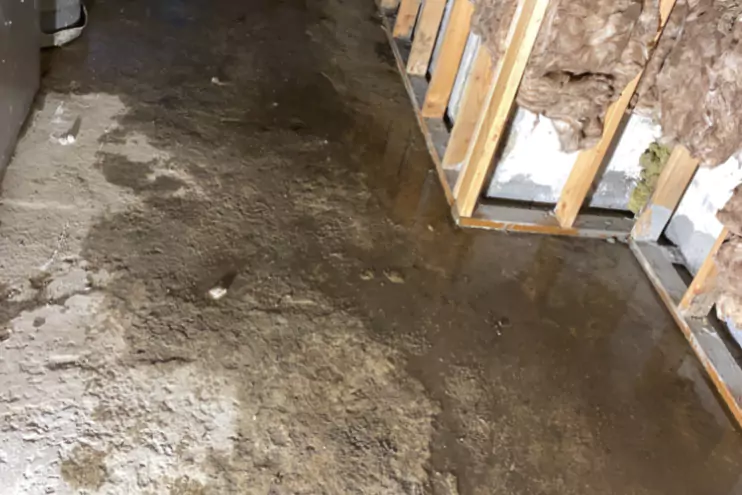
Once water enters your basement through cracks in your foundation, failed sump pumps, or hydrostatic pressure buildup, it immediately begins saturating porous materials. Drywall, insulation, carpet, wood framing, and even the paper backing on drywall provide the perfect organic surfaces for mold to attack. If these materials remain wet beyond that 48-hour window, mold colonies establish themselves and begin releasing spores throughout your indoor air.
At Wet Basement Services, we’ve seen how quickly this progression happens. A homeowner notices wet walls after heavy rain on Monday. By Wednesday, if the moisture source isn’t addressed and the area dried properly, visible mold spots appear. Within a week, that musty basement smell becomes unmistakable.
How Water Intrusion Creates the Foundation for Mold
Water doesn’t need to flood your basement dramatically to cause mold problems. In fact, the most insidious water intrusion issues are the ones you don’t immediately notice. These ongoing moisture sources create sustained conditions that allow mold to thrive year-round, even during Seattle’s drier summer months.
Common Water Intrusion Sources in Seattle Homes
Foundation Cracks and Poor Drainage
Seattle’s hilly terrain and frequent rain mean that water constantly seeks the path of least resistance. When poor foundation drainage systems fail to direct water away from your home, hydrostatic pressure builds up in the soil surrounding your foundation. This pressure forces water through any available opening, including hairline cracks that expand over time.
Condensation and Indoor Humidity
Even without obvious leaks, basement condensation creates moisture on cold surfaces. When warm, humid indoor air contacts cool basement walls and floors, water droplets form. This condensation provides enough moisture for mold growth without a single drop of water entering from outside.
Failed Waterproofing Systems
Many Seattle homes have aging interior waterproofing systems that no longer function effectively. When sump pumps fail, drainage tiles become clogged, or membrane barriers deteriorate, water finds new pathways into living spaces. We see this frequently in homes throughout Bellevue, Redmond, Kirkland, and surrounding communities.
The Year-Round Mold Threat
While water intrusion problems often worsen during Seattle’s rainy season from October through April, mold poses a threat every month of the year. This surprises many homeowners who assume that drier summer weather eliminates mold risk. The reality is that even modest humidity levels support mold growth once colonies have established themselves.
Mold doesn’t need standing water to survive. According to the Centers for Disease Control and Prevention, mold can grow wherever moisture accumulates, including areas with elevated humidity but no visible water. In Seattle’s climate, that means your basement remains vulnerable even when rainfall decreases.
The homes we serve across Seattle, Sammamish, Bothell, and the greater Eastside demonstrate this pattern. Clients who experienced flooding in winter often discover that mold continues spreading through summer because the underlying moisture source was never properly addressed. Surface treatments and temporary fixes don’t solve the problem when water continues entering through foundation walls or accumulating from inadequate ventilation.
Washington’s Legal Requirements for Mold Prevention
Property owners in Washington State face specific legal obligations regarding mold and moisture. Under RCW 59.18.060, landlords must maintain rental properties by addressing building problems such as water leaks, poor ventilation, and heating defects that lead to moisture issues. The law requires landlords to provide tenants with information about indoor mold health hazards and prevention strategies.
This legislation recognizes an important principle that we emphasize to every client: mold problems are fundamentally moisture problems. You cannot control mold without controlling water. Washington’s approach requires addressing root causes rather than merely removing visible mold growth, which inevitably returns if moisture sources persist.
For homeowners and landlords throughout King County, this means taking water intrusion seriously from the first signs. Whether you’re dealing with wet drywall, basement wall cracks, or unexplained dampness, these issues require immediate attention and permanent solutions.
Why Temporary Fixes Fail
Many waterproofing companies in the Seattle area install drainage systems that function more like band-aids than permanent solutions. These systems might redirect some water or pump out moisture that accumulates, but they don’t address the fundamental reasons water reaches your basement in the first place.
We’ve remediated mold in countless Seattle-area homes where previous contractors installed sump pumps or interior drains without properly managing the water source. The result? Recurring moisture problems, persistent mold growth, and frustrated homeowners who invested thousands of dollars without achieving lasting results.
Effective mold control starts with understanding hydrology. Water moves through soil based on gravity, soil saturation, and the path of least resistance. When we assess a property, we examine how water interacts with your home’s foundation, identify all entry points, and design systems that desaturate the soil around and beneath your foundation. This comprehensive approach prevents water from reaching your basement in the first place.
The Science Behind Permanent Water and Mold Control
Our mold control approach at Wet Basement Services integrates evidence-based hydrology with biological and environmental science. We understand that mold spores don’t discriminate. They colonize any organic material with sufficient moisture, from wood framing to carpet padding to the paper backing on your drywall.
The Extreme Water Abandonment (EWA) System represents more than four decades of expertise in Pacific Northwest conditions. Instead of managing water after it enters your home, we prevent intrusion through strategic combinations of exterior and interior waterproofing, advanced drainage engineering, and proper vapor barrier installation.
How Professional Waterproofing Prevents Mold
When properly designed and installed, basement waterproofing in Seattle stops water before it creates conditions for mold growth. Our systems include:
Deep Soil Desaturation
By relieving hydrostatic pressure beneath foundation footings and around basement walls, we eliminate the driving force that pushes water into your home. This protects not just against visible flooding but also against the constant dampness that feeds mold colonies.
Complete Drainage Solutions
Building-code compliant drainage systems, properly sized and installed, redirect water to exterior discharge points using gravity or backup-protected sump pumps. Unlike undersized competitors’ systems, our 4-inch PVC drainage provides adequate capacity for Seattle’s heavy rainfall events.
Membrane Barriers and Encapsulation
Strategic placement of waterproofing membranes along foundation walls creates barriers that prevent moisture migration while allowing proper drainage. This encapsulation approach protects finished basements and creates inhospitable conditions for mold.
Taking Action Against Water Intrusion and Mold
If you’ve noticed signs of water intrusion or mold in your Seattle-area home, acting quickly makes the difference between a manageable situation and extensive damage. The relationship between water and mold means that addressing one problem requires solving both.
Start by documenting any moisture issues you observe. Take photos of wet floors, discolored walls, or visible mold. Note when problems worsen or improve. This documentation helps professionals like our team diagnose the full scope of your water intrusion issues.
For homes throughout Redmond, Bellevue, Kirkland, Renton, Bothell, and surrounding communities, we provide free inspections that identify all moisture sources affecting your property. These assessments examine obvious problems like foundation cracks and failed drainage, but also investigate hidden issues including inadequate ventilation, condensation patterns, and soil conditions around your foundation.
Protecting Your Home and Health for Life
Mold exposure poses real health risks, particularly for people with allergies, asthma, or compromised immune systems. The respiratory problems, skin irritation, and other symptoms that mold causes aren’t acceptable side effects of living in Seattle’s climate. They’re preventable consequences of moisture problems that have solutions.
At Wet Basement Services, we’ve built our reputation on delivering permanent results backed by a lifetime transferable warranty. We don’t just remove visible mold or install drainage systems. We eliminate the water intrusion conditions that allow mold to establish and thrive in Pacific Northwest homes.
Our approach combines Jerzy Radka’s advanced degrees in forestry and environmental protection with decades of field experience specific to Seattle’s unique geological and climatic conditions. We understand the clay bowl effect in local soils, the impact of seasonal water table fluctuations, and the pressure that glacial soils place on foundation structures.
Every system we design addresses your home’s specific water intrusion vulnerabilities while providing long-term protection against future mold growth. This comprehensive strategy costs more upfront than basic drainage installations, but it’s the only approach that delivers permanent peace of mind.
Your Next Steps
Don’t wait for water intrusion to create a mold crisis in your home. Whether you’re experiencing active leaks, noticing persistent dampness, or concerned about prevention, addressing water problems now protects your property value and your family’s health.
Contact Wet Basement Services today for your free inspection and detailed assessment. We’ll explain exactly what’s causing moisture in your basement, show you how water and mold work together in your specific situation, and provide a comprehensive solution designed for permanent results.
Mold and water intrusion may work together to threaten Seattle homes, but they’re no match for properly engineered waterproofing systems and professional mold control. Let us show you how the right solution eliminates both problems for good.