
Harmful Mold?
Mold spores exist everywhere, but they become a serious problem when moisture is present. In damp basements throughout Seattle, Redmond, Bellevue, Kirkland, Renton, Auburn, Kent, Snohomish, Duvall, Carnation, Bothell, Kenmore, Lake Forest Park, Issaquah, Sammamish, Shoreline, Edmonds, Lynnwood, Everett, Mountlake Terrace, Federal Way, Tukwila, Burien, and the greater Pacific Northwest, mold spores begin breaking down organic materials such as insulation, carpet, wood framing, and drywall paper. Even concrete can be affected when moisture levels remain high. If hidden or recurring moisture issues are not corrected, they often develop into full mold infestations that can harm your home’s structure and create unhealthy air conditions for your family, a common concern in this climate.
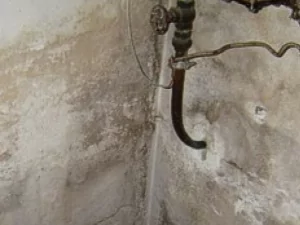

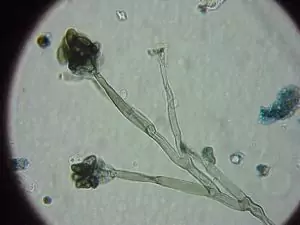
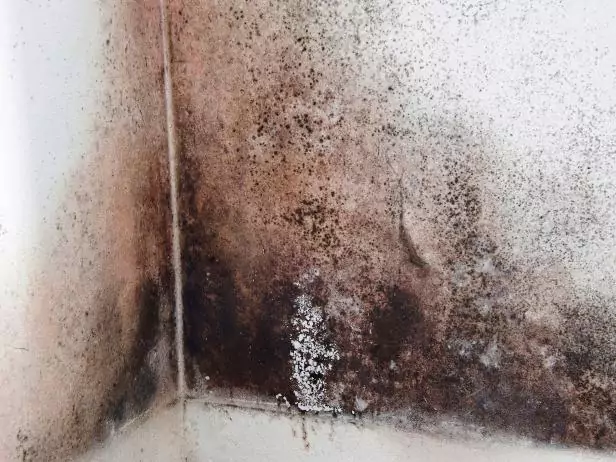
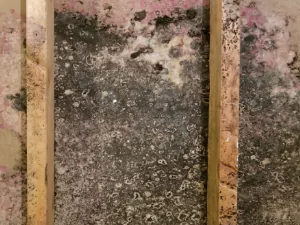
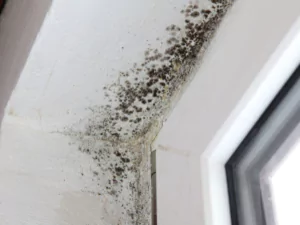
Mold Control: Essential Methods for a Healthier Home
Mold grows quickly in damp environments and can damage your home’s structure while creating unhealthy indoor air. In the Seattle and Eastside region, high rainfall and constant moisture make basements and lower levels especially vulnerable. Effective mold control starts with identifying where moisture is entering and stopping it at the source.
Common Mold Species That Inhabit Basements
Green Mold
The green mold family includes Aspergillus, Cladosporium and Penicillium strains common in the basement of homes.
Black Mold
The black mold family includes Stachybotrys (toxic black mold), Alternaria, Aspergillus and Cladosporium strains common in the basement of homes.
White Mold
The white mold family includes Alternaria, Chaetomium and Penicillium strains common in the basement of homes.
Blue Mold
The blue mold family includes the Penicillium strain which is common in the basement of homes.
Yellow Mold
The yellow mold family includes Aspergillus, Epicoccum nigrum, Geomyces pannorum, Serpula lacrymans, Yellow Slime Mold strains common in the basement of homes.
Brown Mold
The brown mold family includes Aureobasidium pullulans, Cladosporium, Mucor, Pithomyces chartarum, Stemonitis and Taeoniella strains common in the basement of homes.
Understanding Mold Growth
Mold spores are always present in the air, but they only grow when moisture is available. Once they land on a damp surface, mold can spread quickly and release allergens and irritants into your home. Basements, crawl spaces, bathrooms, and kitchens are the most common areas affected, especially in homes throughout Seattle, Redmond, Bellevue, Kirkland, Renton, Auburn, Kent, Issaquah, Sammamish, Shoreline, Edmonds, Lynnwood, Everett, and surrounding communities where humidity and rainfall remain consistently high.
Key Methods for Controlling Mold
1. Manage Moisture and Humidity
The most important step in mold control is reducing moisture. Keeping humidity levels low and eliminating water sources stops mold from spreading. This may involve using dehumidifiers, improving ventilation, or repairing leaks around the home.
2. Improve Ventilation
Airflow is essential for preventing mold. Proper ventilation in bathrooms, kitchens, laundry rooms, and basements reduces trapped moisture. Exhaust fans and strategic air circulation help keep indoor spaces dry.
3. Fix Leaks and Water Intrusion
Plumbing leaks, roof leaks, and foundation cracks allow water to enter hidden areas. Addressing these problems quickly prevents mold from forming behind walls or under floors. Regular inspections of basements and lower levels are especially important in the Pacific Northwest climate.
4. Install Waterproofing Solutions
Basements that experience recurring dampness often require waterproofing to stay dry. Sump pumps, drainage systems, and vapor barriers help move water away from your foundation and prevent mold from developing.
5. Dry Damp Surfaces Quickly
After a spill, leak, or minor flooding event, drying the area completely within 24 to 48 hours is critical. Fans, dehumidifiers, and proper cleanup prevent mold from taking hold.
6. Use Mold-Resistant Materials
When renovating, choosing mold-resistant drywall, insulation, or coatings can help protect damp-prone spaces like basements, bathrooms, and kitchens.
7. Maintain Clean, Dry Spaces
Routine cleaning and maintenance reduce the chance of mold returning. This includes cleaning air systems, clearing gutters, checking drainage, and watching for signs of moisture around the foundation.
Long-Term Mold Control
While these steps help manage everyday moisture, long-term protection requires eliminating the underlying cause. Wet Basement Services provides permanent mold control by addressing groundwater pressure, leaks, drainage failures, and other sources of moisture that allow mold to grow. Our EWA System delivers a complete solution designed to keep basements dry and mold-free for life.
Protect your home and health by stopping mold at the source. Schedule your free mold and moisture inspection today.